
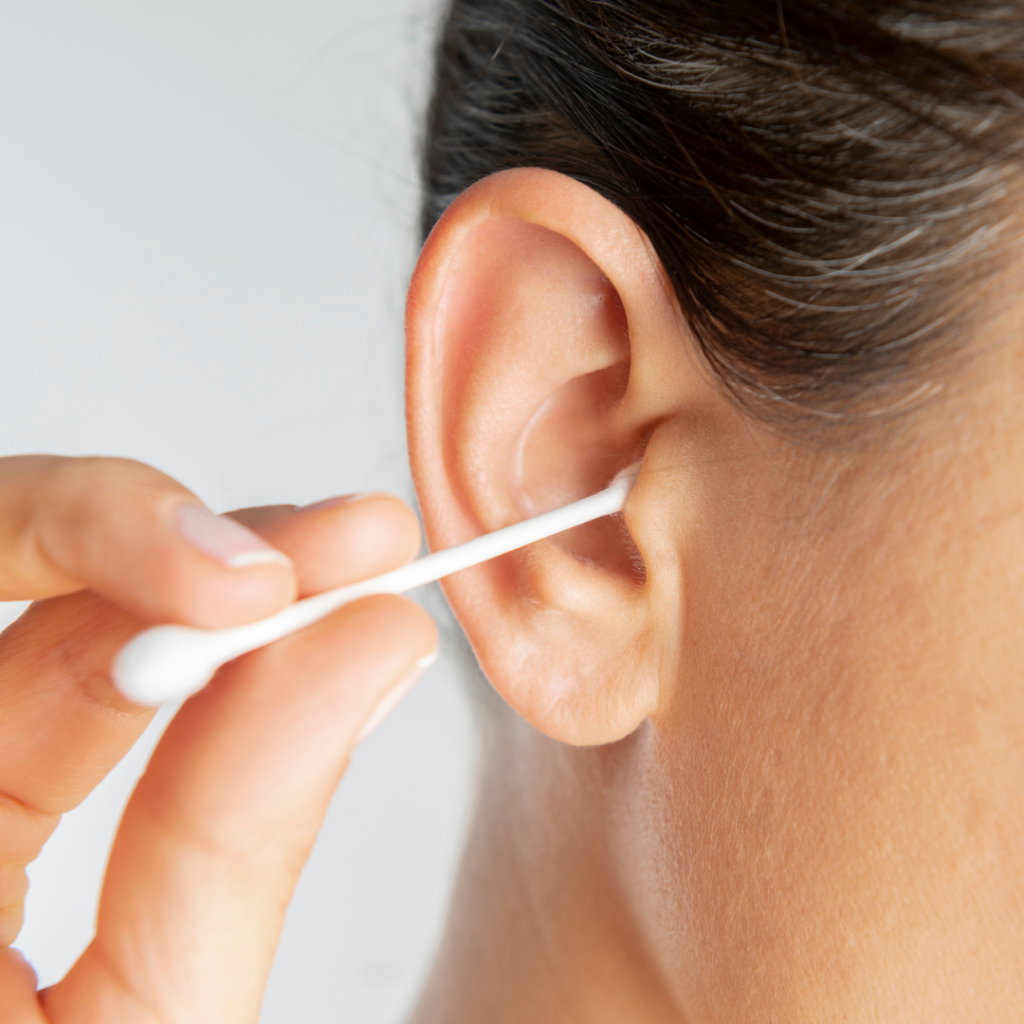
Although cotton swabs feel like accessible ear-care tools, introducing them into the canal hinders self-cleaning mechanisms and may harm your hearing. We perform thorough examinations to verify if earwax removal is necessary and select appropriate procedures for your ear condition. Routine manual hygiene is often unnecessary for ears; still, when excessive wax accumulates, we deliver safe and gentle removal solutions.
The Hidden Dangers of Cleaning Ears with Q-Tips
Biologically, earwax—known clinically as cerumen—is not an unhygienic waste product. It functions to intercept foreign debris, suppress bacterial activity, lubricate internal tissues, and guard vulnerable ear canal skin. Rhythmic jaw motion and outward dermal migration move drying wax toward the external orifice, where it effortlessly washes away.
Inserting a cotton swab directly into the auditory canal interferes with this natural clearance mechanism. Though the cotton tip may capture superficial debris, it frequently rams the larger wax volume deeper toward the tympanic membrane. Continuous swab usage packs loose secretions into a hardened mass, generating an occluded sensation that tempts patients into additional probing.
Cotton swabs may be used around the folds of the outer ear, but they should not enter the canal.
How Can Ears Get Damaged from Q-Tip Use?
The epithelial surface inside the ear canal remains exceptionally fragile and easily abraded. Minor scratches can trigger localized pain, bleeding, and bacterial infiltration, substantially elevating the risk of otitis externa. A cotton tip may also detach and remain inside the canal.
Common mechanical traumas from swabs include:
- Cerumen forced into dense canal impaction
- Epithelial lacerations, inflammation, erythema, or bleeding
- Localized microbial infection of the external canal
- Retained cotton tips or foreign debris inside the canal
- Traumatic perforation of the eardrum
- Dislocation or injury of the delicate hearing ossicles
- Acute hearing loss of a temporary or permanent nature
- Persistent tinnitus, balance instability, or severe otalgia
While severe structural trauma occurs infrequently, accidental elbow jostling, sudden slipping, or over-insertion can provoke profound injury.
Determining the Proper Frequency for Earwax Removal
Most people do not need to remove earwax on a schedule. Physiologically stable ears continuously migrate wax outward, while standard showering takes care of the visible ear. Frequent overcleaning creates dry, irritated canal surfaces while amplifying the risk of severe impaction or microbial invasion.
Clinical clearing is warranted if cerumen occludes the auditory pathway, prevents diagnostic evaluation of the eardrum, affects a hearing aid, or sparks discomfort.
Clinical Guidance for Safe At-Home Cerumen Care
In the absence of earwax symptoms, allowing natural physiological clearance is universally the safest strategy. Restrict hygiene to wiping the outer ear folds with a damp cloth while permitting the canal to self-evacuate.
If cerumen requires softening, we might suggest an over-the-counter preparation or ear drops formulated with carbamide peroxide, mineral oil, saline, or glycerin. Ensure you use the exact recommended volume and follow the labeled duration instructions carefully. Discontinue administration immediately if the solution sparks pain, severe dizziness, skin rash, or worsening ear fullness.
Performing home ear irrigation carries distinct risks and requires prior professional evaluation and hands-on technique instructions. Under no circumstances should you ever use a pressurized dental oral irrigator in the ear. Do not use dangerous devices like ear candles, metal scrapers, endoscopic camera tools, hairpins, or unverified suction units. These hazardous instruments often cause cutaneous burns, sharp cuts, eardrum ruptures, or compounded cerumen impaction.
When to Seek Audiological Care for Cerumen Impaction
Arrange a consultation when aural fullness continues after drop therapy, wax is severely impacted, or home interventions prove ineffective. Professional removal is also preferable when a person cannot safely hold still, has a narrow ear canal, uses hearing aids, or has medical or surgical factors that make drops or irrigation risky.
Seek an examination for:
- Ear pain, persistent itching, or tenderness
- Otorrhea containing blood, active pus, serous fluid, or an unpleasant odor
- Elevated body temperature or edema surrounding the ear structures
- The rapid emergence of tinnitus or episodic dizziness
- Sudden hearing drops or auditory deficits that remain after wax removal
- Concern regarding a perforated eardrum or foreign cotton debris
- Persistent impactions interfering with hearing aid operation
Sudden drops in hearing in a single ear require emergency medical attention rather than casual attribution to earwax. Immediate assessment allows clinicians to differentiate an external canal obstruction from an urgent inner-ear pathology.
How Can a Doctor Remove Excess Earwax?
We always inspect the canal directly using an illuminated otoscope or surgical microscope to confirm cerumen buildup and evaluate for inflammation, injury, or eardrum ruptures. The ideal extraction strategy is dictated by the consistency of the wax, ear canal dimensions, clinical background, past ear procedures, and patient physical stability.
Expert removal procedures include:
- Application of enzymatic softening drops before or during extraction
- Controlled ear flushing using warm, body-temperature water on intact eardrums
- Precision micro-suction under continuous microscopic visualization
- Manual instrument removal utilizing specialized curettes, loops, or micro-forceps
Continuous visual monitoring enables the practitioner to navigate around sensitive epithelial tissue and pause immediately if discomfort arises. Patients presenting with dry or tightly impacted wax may require a combination of these clinical approaches. After removal, the ear can be reexamined to confirm that the canal and eardrum are healthy. If aural fullness, ear ringing, dizziness, or auditory impairment remains after cleaning, further diagnostic evaluations can identify the root issue.
Schedule Professional Earwax Removal
Should you experience aural fullness or sudden hearing shifts, arrange a clinical evaluation with our office instead of relying on cotton swabs. Your clinical visit will cover a comprehensive review of symptoms, otologic surgical history, hearing aid utilization, home care efforts, and metabolic contributors to wax buildup. Connect with our practice today to reserve an appointment for safe, professional earwax removal.