Lexington Hearing and Speech Center Hearing Tips

Insights for Your Hearing Health

Get trusted tips, insights, and hearing health updates from your hearing care team.

Whether you’re exploring solutions for the first time or a long-time hearing aid user, our experts at Lexington Hearing and Speech Center are here to offer advice and resources to support your journey.

A man lying in bed with a frustrated expression covers his ears with a pillow and his hands, trying to block out noise. He is wearing a white t-shirt and is partially covered by a white blanket.

Why Does Tinnitus Seem Louder at Night? The Science of Bedtime Ringing

After enduring a long, exhausting schedule, crawling into bed for restful slumber is all you want. You finally climb into bed, the house goes quiet, and that’s when it happens: The ringing in your ear is suddenly impossible to ignore. If nocturnal ringing feels magnified compared to daytime levels, you are definitely not misinterpreting your

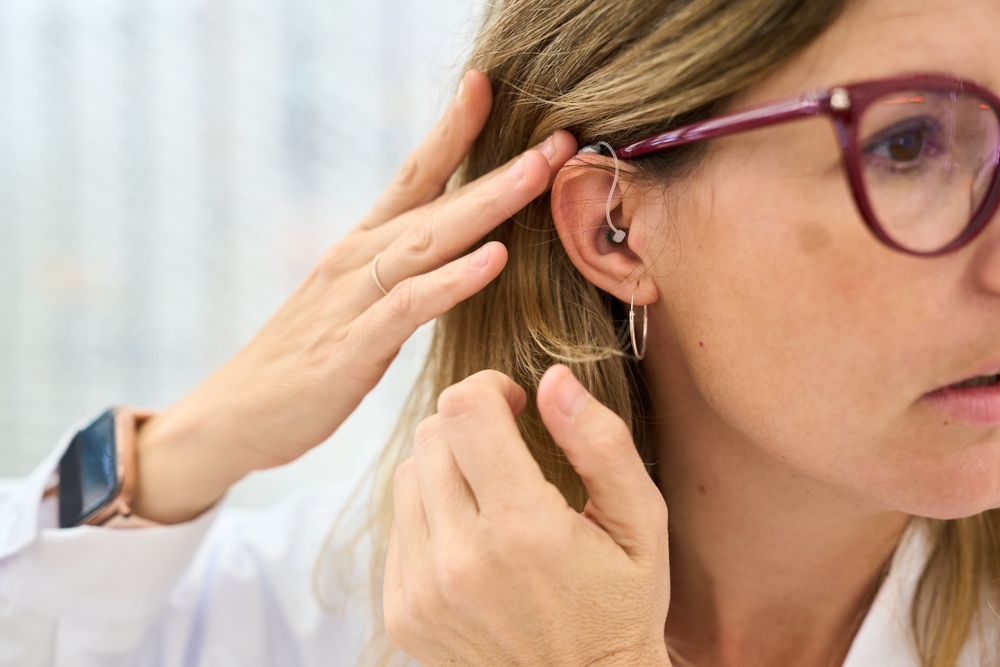
A woman with glasses adjusts a behind-the-ear hearing aid on her right ear, using both hands. She wears a white top, a smartwatch, and a hoop earring. Only part of her face is visible.

Modern Auditory Devices: Redefining Appearance, Comfort, and Discreet Design

A primary reason individuals put off addressing auditory deficits is the assumption that assistive devices will be unsightly or awkward to wear. Such reluctance is perfectly natural when you consider past technology! In some cases, people even worried that they might be left out of conversation altogether by others who assumed they wouldn’t be able

A customer makes a payment with a credit card using a portable card reader while receiving a hearing aid device from a healthcare professional.

How to Pay for Hearing Aids: HSA, FSA, Insurance & Financing Options

If you’ve looked into hearing aids, one of the first things you’ve probably noticed is the price. Varying by technological tiers and clinical customization requirements, modern systems require a wide range of financial commitments. For many people, that comes as a surprise, and it can understandably feel like a stopping point. The sticker price is

An elderly woman with gray hair and glasses smiles while adjusting a hearing aid in her ear. She is wearing a black top and is indoors with a window and curtains in the background.

Will Medicare Pay for Your Hearing Aids? The Facts Explained

Is coverage for hearing aids available through Medicare? The simple answer is no. Original Medicare does not cover hearing aids. We know that’s not what most people want to hear, and that many patients are surprised by this. Fortunately, you have other ways to manage the cost. Supplemental paths like Medicare Advantage, various financing programs,

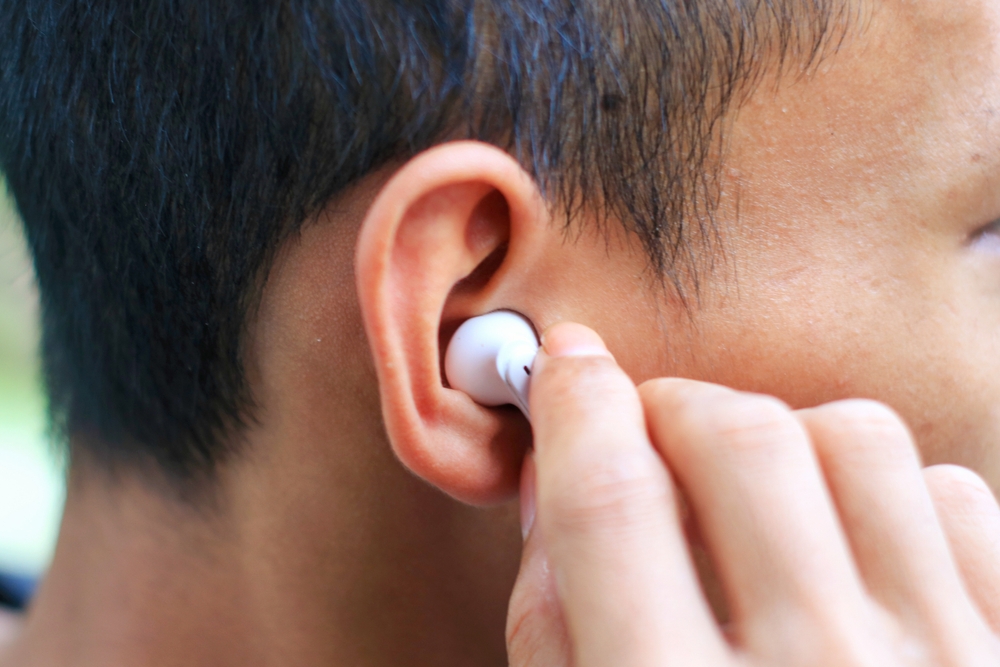
A close-up of a person wearing a white wireless earbud in their ear, with one hand adjusting the earbud. The side of the persons head and ear are clearly visible.

Are Your Earbuds Damaging Your Long-Term Hearing Health?

It is increasingly uncommon to observe a young adult in a public setting without an earbud in place. Though over-ear headphones are more bulky, the younger demographic still relies on them for environmental isolation. Musical enjoyment knows no age limit, though the younger generation has integrated it more deeply into their daily transitions. Given their

Beyond the Ears: Decoding Cognitive Hearing Loss and Brain Function

It is a widespread misconception that hearing begins and ends with the ears, but the reality is more complex. But hearing is just as much a brain function as it is an ear function. This term defines the brain’s specialized role in translating raw sound waves into coherent linguistic data. For instance, a patient may

Hearing Aids and Cognition: Strengthening the Auditory-Brain Connection

Everybody knows that hearing is something your ears do. What we think less about is the role our brain plays in hearing. Physical sound collection happens at the ear, but cognitive interpretation is what creates speech and memory. With the progression of hearing loss, the auditory cortex is deprived of essential frequency information. Over time,

What is Auditory Fatigue?

Have you noticed a distinct sense of exhaustion after participating in lengthy verbal interactions? You might initially blame your exhaustion on general tiredness or a busy lifestyle. And it’s true that for introverts or people with sensory issues, social situations can be exhausting. Frequently, this specific type of burnout is actually triggered by chronic auditory

Deconstructing 7 Common Hearing Loss Myths with Clinical Fact

Hearing loss is more common than most of us might realize, but misinformation continues to prevent many people from seeking proper care. When managing hearing loss, timely intervention is a fundamental requirement for long-term health. Subscribing to auditory misinformation can hinder treatment timelines and compromise social connectivity. Separating hearing truths from common fallacies provides the

Environmental Impacts on Auditory Clarity: Seasonal Shifts

While age and loud environments are primary drivers of hearing loss, the calendar year dictates specific changes in how we process sound. If you perceive winter ear-blocking or heightened summer sensitivity, these are recognized clinical patterns. Fluctuations in seasonal hearing loss symptoms typically stem from shifting ecological triggers across the four seasons. Luckily, understanding how

Drugs Linked to Hearing Loss: Exploring Ototoxicity

While many are aware that decibel levels impact auditory health, prescription drugs represent a more obscure risk. Drugs capable of affecting your auditory range are classified as ototoxic, signifying their ability to injure the internal ear structures. While many ototoxic drugs are necessary (and highly effective) for treating serious medical conditions, knowing the risks can

How Hearing Loss Impacts Work Performance and How to Fix It

Developing hearing issues do not simply cease once you enter the workspace. This condition frequently interferes with teamwork, virtual calls, and professional poise long before a diagnosis is ever suspected. Whether you or a direct report are navigating auditory struggles, grasping the impact of hearing loss on workplace output and identified accommodations is vital for