
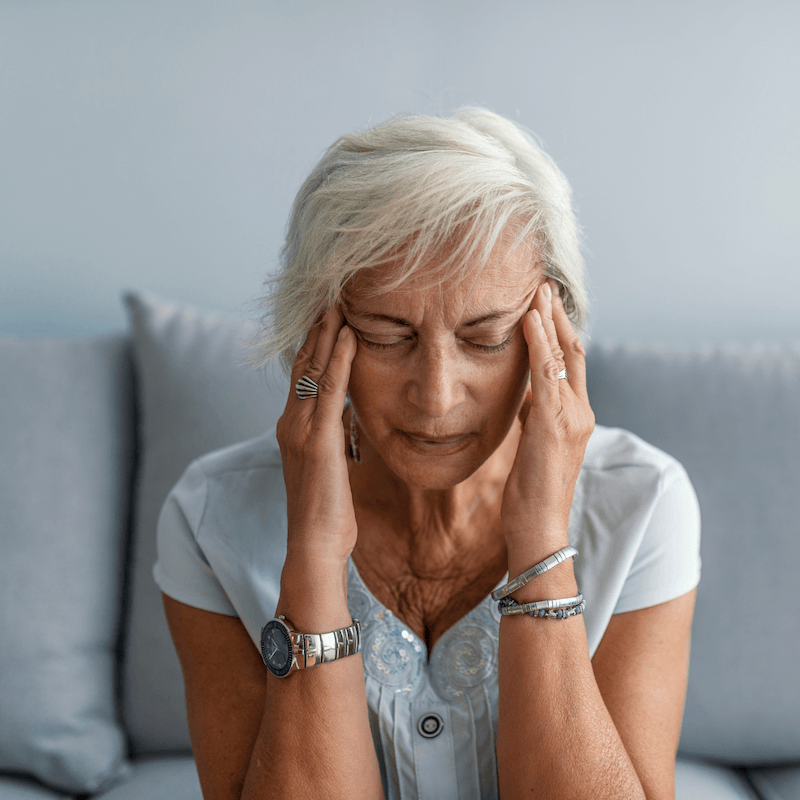
Migraines don’t always present as severe headaches; in fact, a vestibular migraine mainly affects balance, motion perception, and spatial orientation. Our practice can evaluate recurring dizziness and determine whether vestibular migraine or another balance disorder may be responsible. Navigating targeted migraine treatment begins with recognizing subtle clinical signs and communicating them clearly to your specialist.
Vestibular vs. Regular Migraines: What’s the Difference?
Both vestibular migraine and classic migraine belong to the same neurological spectrum, yet their hallmark symptoms manifest differently. A typical migraine attack often centers on moderate to severe head pain that may be one-sided, pulsating, and aggravated by normal activity. This cephalalgia is often accompanied by gastrointestinal nausea, photophobia (light sensitivity), phonophobia (sound sensitivity), and visual aura.
Vestibular migraine primarily causes vertigo, dizziness, imbalance, or sensitivity to motion. Head pain can emerge during an attack, but it does not have to be present during every vestibular occurrence. Manifestations may include false sensations of spatial movement, dizziness provoked by head turns, and difficulty tolerating busy visual environments.
Qualifying vestibular episodes generally last from five minutes to 72 hours. Because clinical manifestations often fluctuate between episodes, linking these balance issues to a migraine etiology can be challenging.
Understanding the Biological Mechanisms of Vestibular Migraine
Clinicians have not identified a solitary disease entity that directly causes vestibular migraine. The disorder likely develops from overlapping neurochemical pathways handling both trigeminal pain and inner ear balance signals. Having a personal or family background of migraine disease, along with chronic motion sensitivity, increases patient risk.
Clinical episodes are frequently provoked by:
- Irregular resting routines and inadequate nightly sleep
- Delayed food intake, prolonged fasting, or inadequate hydration
- Psychological tension or the sudden drop in stress levels following high-pressure events
- Estrogen shifts associated with menstruation, pregnancy, or hormone therapies
- High-contrast visual patterns, strobe effects, or glaring light environments
- Rapid vehicle motion, vestibular acceleration during transit, or digital screen scrolling
- Alcohol consumption or exposure to specific dietary triggers like aged cheeses or nitrates
- Weather changes or sensory overload
What Are the Symptoms of Vestibular vs. Regular Migraines?
Standard migraine attacks are conventionally diagnosed by cephalalgia, yet the clinical picture involves numerous non-pain symptoms. An individual may endure nausea, vomiting, transient visual aura, extreme fatigue, cognitive impairment, neck stiffness, and sensory hypersensitivity.
Patients with vestibular migraine frequently report:
- Sensations of rotational spinning or non-spinning spatial disorientation
- Unsteadiness or loss of balance
- Vestibular dizziness elicited by vertical or horizontal head motion
- Nausea during motion
- Sensory intolerance triggered by scrolling monitors, bustling public crowds, oncoming traffic, or geometric lines
- Dysperceptions of motion such as internal rocking, floor tilting, floating, or gravitational pulling
- Acute sensitivity to daylight, artificial lighting, loud acoustic sounds, and complex visual environments
- Sensations of internal head fullness, tight cranial pressure, or full-blown migraine cephalalgia
- Transient aural fullness, ear pressure, or acute tinnitus
Identifying the specific temporal pattern, duration, and triggers helps clinicians distinguish vestibular migraine from other balance conditions. Acute vertigo presenting with unilateral weakness, numbness, speech deficits, diplopia, fainting, or severe loss of ambulation requires urgent medical intervention.
The Coexistence of Vestibular Migraine and Typical Migraine Episodes
Yes, clinical overlap is common. Vertigo and classical migraine headaches frequently coincide during the same physiological episode. Dizziness might manifest as a premonitory symptom before head pain, peak while the headache is active, endure following pain resolution, or strike alone. Over time, patients may see their symptoms fluctuate between traditional headache attacks and balance-dominant episodes.
An acute vestibular event can be fully driven by migraine mechanisms even in the complete absence of head pain. Using a detailed symptom diary can highlight critical physiological associations that prove difficult to remember weeks later. Note the frequency and length of dizziness, headache qualities, sensory changes, menstrual timing, sleep habits, meals, potential triggers, and therapeutic interventions. This information can make an evaluation more precise.
Diagnostic Workup and Clinical Criteria for Vestibular Migraines
Diagnosing vestibular migraine cannot be accomplished via a single diagnostic blood test, radiologic scan, or balance assessment. Clinical identification relies first on a thorough review of episode characteristics and a personal history of migraine with or without aura. Accepted diagnostic standards mandate documenting at least five moderate to severe vestibular attacks of five minutes to 72 hours duration, with migraine features accompanying at least half.
We may perform a neurological, eye-movement, ear, hearing, and balance examination. According to your symptom history, our providers may administer a diagnostic audiogram, positional maneuvers, vestibular diagnostic tests, or brain imaging. These evaluations provide the objective data needed to isolate or rule out alternative medical issues causing comparable dizziness. A definitive diagnosis of vestibular migraine is rendered only when your clinical pattern fits established criteria and another diagnosis is definitively excluded.
Comprehensive Treatment Approaches for Vestibular Migraines
Clinical treatment is tailored to the individual, taking into account episode frequency, symptom severity, headache presence, coexisting health conditions, and drug tolerances. A large majority of patients achieve optimal disease control by pairing daily preventive therapies with targeted acute abortive strategies.
Our practice designs a comprehensive treatment strategy that may incorporate:
- Establishing structured daily routines for sleep, timely meals, fluid intake, and low-impact cardiovascular exercise
- Documenting, isolating, and reducing exposure to consistent patient-specific triggers
- Utilizing structured stress-mitigation techniques, mindfulness programs, or behavioral therapies
- Utilizing pharmaceutical antiemetic therapies to control severe nausea and associated symptoms
- Judicious, short-term utilization of vestibular suppressant medications during debilitating episodes
- Preventive medicines such as beta-blockers, calcium channel blockers, topiramate, certain antidepressants, or other migraine therapies
- Specialized vestibular rehabilitation therapy (VRT) to resolve chronic motion hypersensitivity and balance deficits
These medications are reserved for acute use only, as chronic ingestion triggers drowsiness and suppresses natural vestibular compensation within the brain. Medication choices should be made with us rather than borrowed from another person’s migraine plan. Clinical stabilization often involves gradual pharmacological adjustments alongside diligent, long-term symptom logging.
Schedule an ENT and Balance Evaluation for Vestibular Migraine
If ongoing vertigo attacks, motion hypersensitivity, or gait instability compromise your daily functioning, schedule an assessment with our clinic today. During your consultation, we examine your migraine background, overall health profile, and personal goals, utilizing targeted diagnostics to differentiate vestibular migraine from BPPV, Ménière’s disease, or alternate balance disorders. Connect with our practice today to book an appointment for your vestibular migraine assessment.